Are you trying to make sense of Palm Beach’s luxury market, but the numbers seem to shift with every listing you see? You’re not alone. The island and its surrounding enclaves operate on a different rhythm than most places. In this guide, you’ll learn how local pros define “luxury,” what really drives price, when inventory appears, how off‑market deals work, and the signals to watch before you act. Let’s dive in.
What “luxury” means in Palm Beach
“Luxury” is not a single price tag. Professionals use two definitions at once. Nationally, the National Association of Realtors defines luxury as the top 5 percent of sales by price within a metro. Locally, Palm Beach agents layer in tiers based on the island’s distinct medians and attributes.
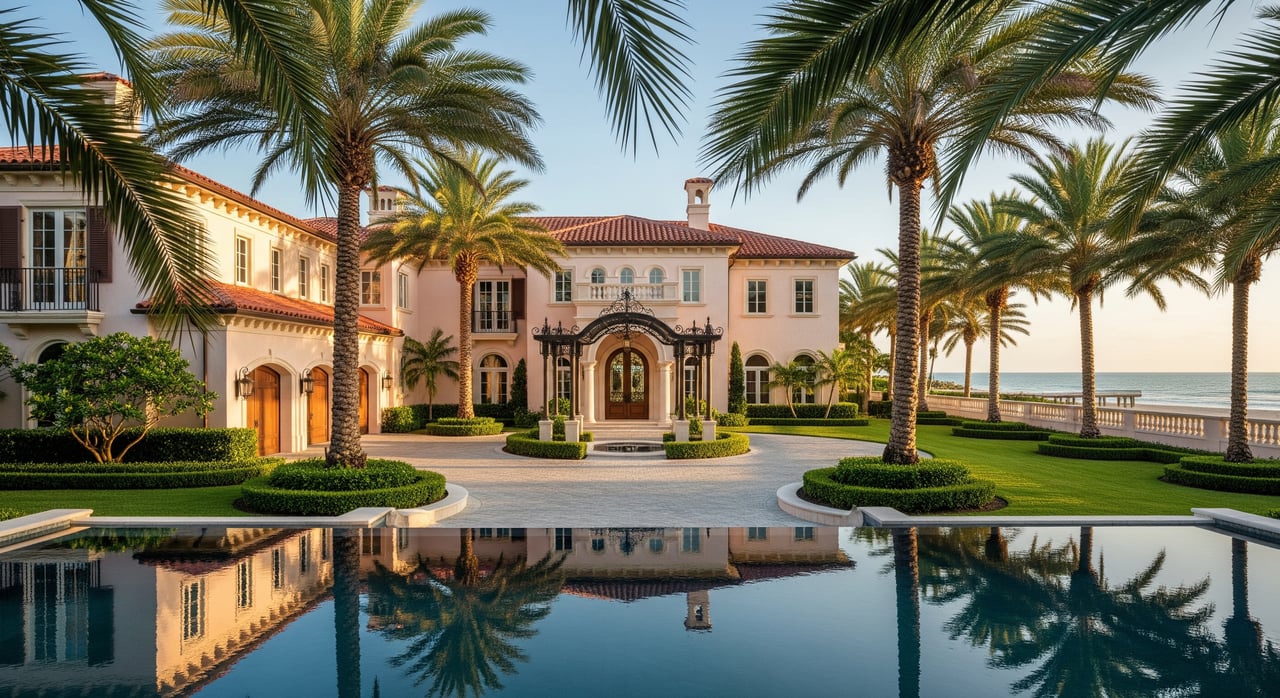
On the ground, you’ll hear three practical categories. High‑end luxury includes homes well above the local median. Prime or trophy properties are rare estates with attributes that command a clear premium, such as direct oceanfront or pedigreed architecture. Ultra‑trophy is the small set of exceptional listings, often marketed privately and sometimes kept quiet for months.
Pricing lenses the pros use
- Percentile view: top 5 percent and top 1 percent compared with the overall market.
- Geography view: island oceanfront, intracoastal and canals, waterfront mainland, and non‑waterfront estate neighborhoods.
- Product view: historic estates, new‑build mega‑mansions and spec homes, gated club properties, and compound sites.
Stating your comparison set matters. A “median Palm Beach price” should clarify island versus county. A “luxury” stat should note whether it refers to the top 5 percent of the county or a specific submarket on the island.
Inventory and seasonality
Palm Beach is highly seasonal. The winter season from roughly November to April brings the most showings and closings as seasonal residents return and social events peak. Many sellers time listings and showings for these months.
Off‑season activity does happen, but it looks different. You may see fewer showings and longer marketing windows, along with more flexibility on timing or select concessions. For the right property, year‑round private marketing can still surface qualified buyers.
What you can expect on the market
- Low on‑island inventory. The island has limited single‑family stock and low turnover, so the number of active listings stays tight.
- Off‑market sales are common at the top. Confidentiality, privacy, and broker networks play a large role, so MLS data can understate true activity.
- New‑build waves can reset comps. Periods of spec construction can temporarily expand supply at the top and influence high‑end pricing.
The attributes that command a premium
Location advantages
- Oceanfront exposure and beach width. Direct oceanfront with private dune access captures the highest premiums per square foot.
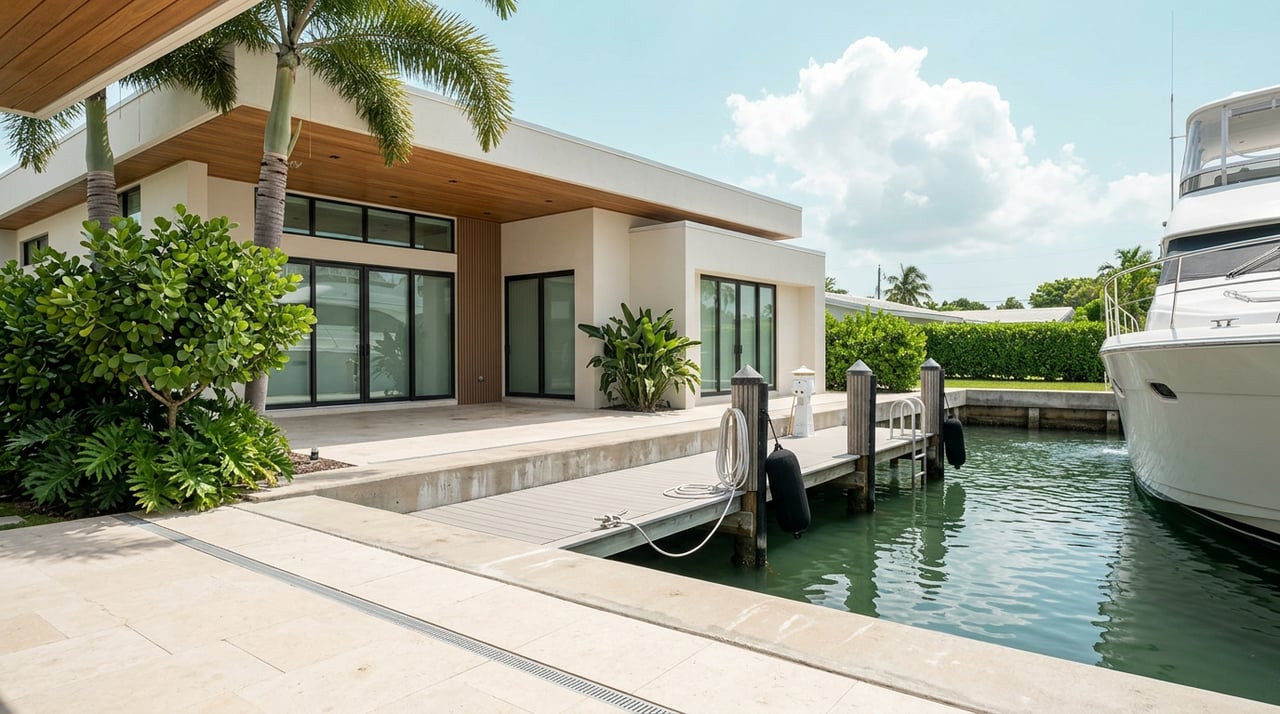
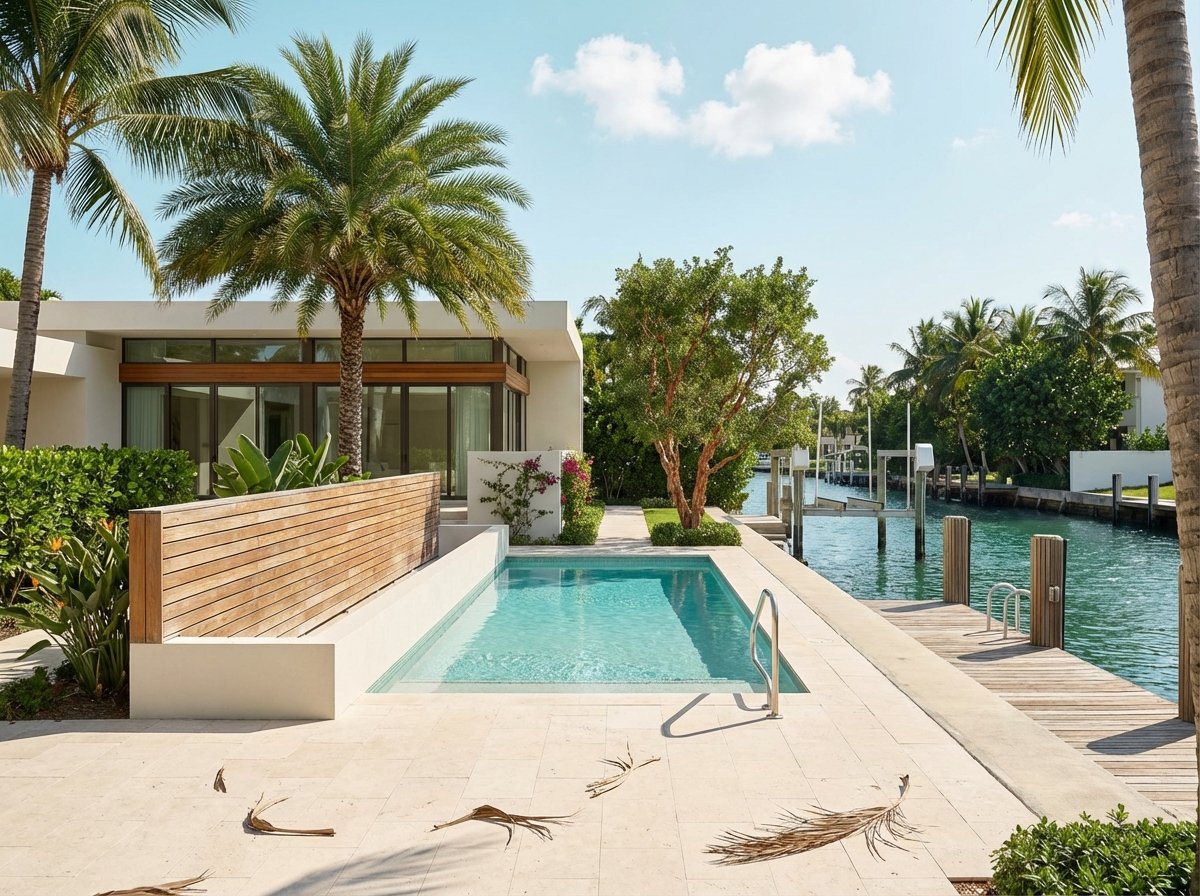
- Intracoastal or deep‑water dockage. Usable, deep dockage with capacity can outweigh raw house size for yacht owners.
- Lot size and privacy. Acreage supports guest houses, pool complexes, and buffers that elevate value.
- Walkability to Worth Avenue and town. Proximity to shopping and social institutions concentrates demand for the classic Palm Beach lifestyle.
- Orientation and views. Vistas, sunrise or sunset orientation, and protected view corridors add value.
Product and quality features
- Architectural pedigree. Recognized architects and historically significant homes often outperform generic new builds.
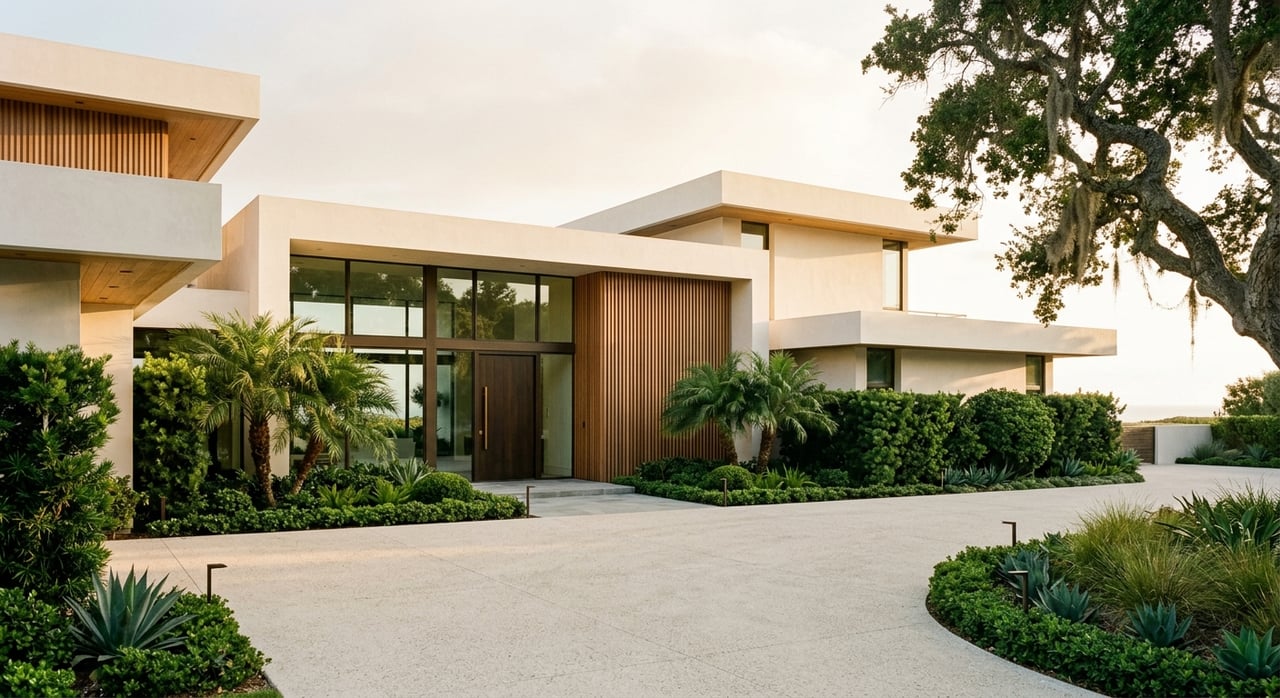
- New construction and high‑caliber renovations. Modern systems, hurricane protections, wine rooms, and garage lifts support higher pricing.
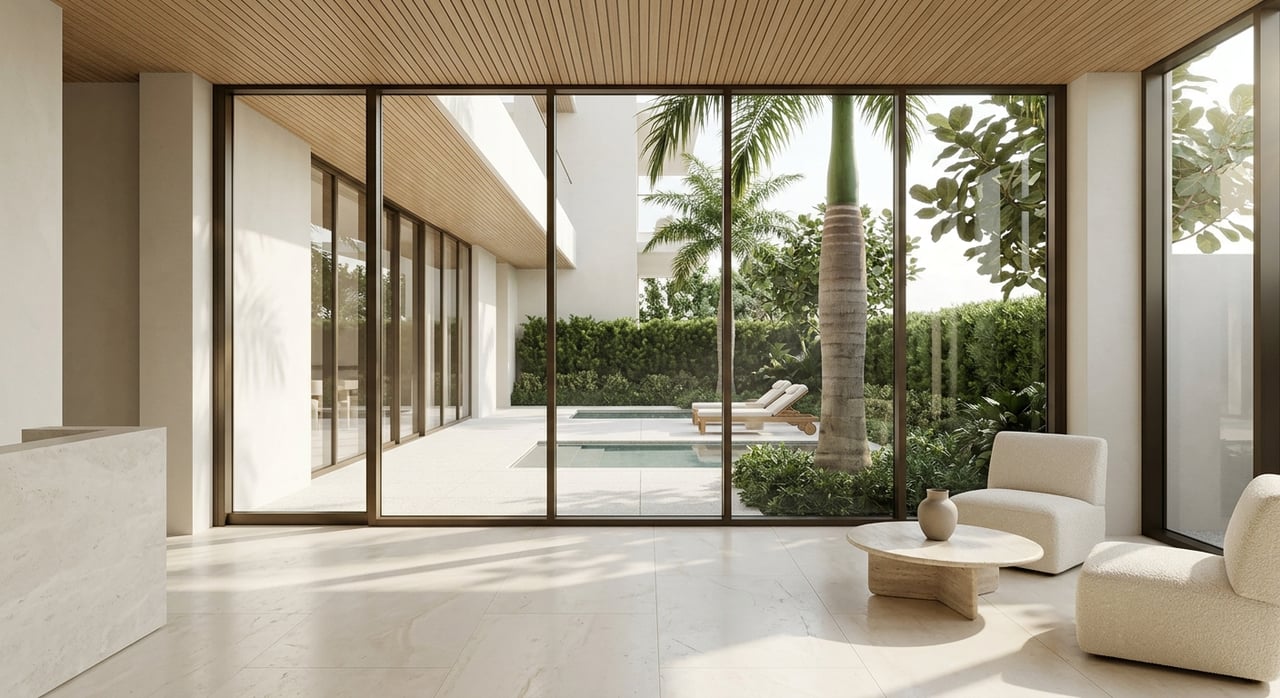
- Indoor‑outdoor living. Seamless flow, hurricane‑rated glazing, and mechanized openings are sought after and priced accordingly.
Costs and risks that move price
- Flood zones and coastal rules. FEMA maps and the Coastal Construction Control Line influence insurability and what you can rebuild.
- Insurance availability and premiums. Wind and flood coverage affect carrying costs and can influence lender requirements.
- Zoning and historic overlays. Local rules can limit redevelopment, which impacts value for some buyers.
How deals really get done
Who buys and sells here
- Buyers include seasonal domestic residents from the Northeast and Midwest, year‑round relocators drawn by Florida’s tax and lifestyle advantages, international buyers from Latin America and Europe, and developers or spec builders seeking buildable lots.
- Sellers range from long‑time owners and estates to owners timing the market around season or comparable trophy sales. Some list after key renovation milestones.
Typical terms and due diligence
- Cash is common at the very top. When financing is used, expect deeper documentation around risk and insurance.
- Privacy mechanisms. Showings and marketing often require confidentiality agreements, and purchases may be through LLCs or trusts.
- Deep inspections. Structural, elevation, survey, and climate risk reviews are typical. Yacht buyers verify dock depth and rights.
- Timing varies. Well‑priced listings in season can trade quickly, while ultra‑trophy properties may sit longer until the right buyer engages.
Negotiation patterns
- Exceptional properties see fewer price concessions. Negotiations often focus on closing timelines, select maintenance credits, or furnishings.
- Sellers sometimes address hurricane shutters, roof items, or specific inspections as part of concessions.
- Furnishings and artwork are commonly handled in separate negotiations or escrows.
Timing your move
If you are buying, the off‑season can bring less competition and more time for due diligence. You may also catch moments when several new specs arrive at once, which can create leverage.
If you are selling, the winter season typically delivers the deepest buyer pool. That said, a standout property can sell any time when it is quietly placed in front of the right network.
Key metrics to watch
Track market health by submarket to avoid mixed signals. Focus on the island versus intracoastal versus mainland estate areas, and break out the top 5 percent when possible.
- Median and mean sale price for single‑family homes by submarket and for the top 5 percent.
- Active luxury listings and months of inventory for the top 5 percent.
- List‑to‑sale price ratio at the top tier compared to the broader market.
- Days on market for the top 5 percent versus overall.
- Percentage of cash buyers among luxury sales.
- Reported off‑market transactions and total value.
- Price per linear foot of waterfront on ocean and intracoastal.
- New construction permits and completions at the high end.
Due diligence checklists
For buyers
- Obtain the FEMA elevation certificate and review past flood claims.
- Get early quotes for wind and flood insurance and verify replacement cost assumptions.
- Commission a dock survey and depth certification if boating matters.
- Conduct a title review for easements, beach or riparian rights.
- Confirm historic‑preservation restrictions and zoning overlays.
- Assess utilities, drainage, and any low‑lying areas on the site.
- Order environmental screenings for large or sensitive parcels.
For sellers
- Complete pre‑listing inspections for roof, pool, and major systems.
- Organize elevation certificates and prior insurance claim documents.
- Build a marketing plan that includes private network outreach for ultra‑high‑end properties.
- Prepare a clear capital improvements list, permitting records, and architect or contractor details.
Palm Beach vs other South Florida enclaves
- Palm Beach island. Emphasizes historic estates, classic architecture, and a boutique high‑society scene. Single‑family estates dominate and buildable lots are scarce.
- Miami and Miami Beach. Larger volume, more condos, broader international investor presence, and faster but more volatile price cycles.
- Fisher Island. Tiny inventory and some of the highest price per square foot.
- Boca Raton and Naples. Strong club and golf orientation with more newly developed gated communities and a different lifestyle draw.
When comparing, use the top 5 percent threshold or price per linear waterfront foot and be clear about the submarket.
Put a trusted advisor to work
You deserve guidance that blends luxury residential insight with the ability to navigate complex, high‑value negotiations. With a boutique, marketing‑driven approach, broad domestic and international reach, and experience across both luxury homes and specialized assets, you can position your property or purchase for the outcome you want.
If you are ready to explore Palm Beach’s top tier or want a private strategy review for your estate, request a confidential consultation with Rajkumar Ramkerath.
FAQs
What defines a luxury home in Palm Beach compared to Miami?
- Use the National Association of Realtors’ top 5 percent price threshold for each metro, then compare submarkets like island oceanfront versus Miami Beach condos to keep the analysis fair.
When is the best time to list a luxury home in Palm Beach?
- The peak buyer pool arrives in the winter season from November to April, though exceptional homes can sell year‑round through targeted private marketing.
Which features add the most value to Palm Beach homes?
- Direct oceanfront, deep‑water dockage, acreage and privacy, proximity to Worth Avenue and town, and protected views typically command the largest premiums.
How do off‑market sales work in Palm Beach’s ultra‑luxury tier?
- Many top listings trade quietly through broker networks using confidentiality agreements, limited showings, and purchases via LLCs or trusts to protect privacy.
What insurance or climate factors should I consider for waterfront homes?
- Review FEMA flood zones, the Coastal Construction Control Line, wind and flood insurance availability, and any elevation or mitigation needs that affect carrying costs.
How are negotiations different at the ultra‑luxury level in Palm Beach?
- Price concessions are less common for exceptional properties, so negotiations often focus on timing, limited maintenance credits, and separately handled furnishings or artwork.
What metrics should I track before making an offer in Palm Beach?
- Monitor months of inventory, days on market, list‑to‑sale ratios, cash buyer share, price per linear waterfront foot, and the count of new high‑end spec completions in your submarket.