You can fall in love with an Aventura view and still get blindsided by a surprise assessment. If you are comparing luxury towers and mid‑rises along the Intracoastal, you want clarity on reserves, budgets, and upcoming repairs before you submit an offer. This guide shows you what to request, how to read it, and how to spot risk so you can buy with confidence. Let’s dive in.
Florida rules: reserves and assessments
Florida’s Condominium Act (Chapter 718) sets the baseline for condo budgets, reserves, records, and board powers. You can review the statute language to understand what associations must provide to owners and prospective buyers in Aventura. For easy reference, see the full text of Florida Statutes Chapter 718.
Associations must adopt an annual budget that accounts for operations and reserves for capital expenses and deferred maintenance. Owners may, under specific conditions in the statute, vote to waive or reduce reserve funding. If that happened, it should appear in meeting minutes and budget notes.
Boards may levy regular assessments for operations and special assessments for extraordinary costs. Whether owner approval is required depends on Chapter 718 and the association’s governing documents. Associations can also borrow and pledge future assessments as collateral. Loan terms and repayment schedules matter because you inherit those obligations as an owner.
Florida provides access to association records, including budgets, financial reports, and minutes. The state’s consumer resources can help you understand your rights. Review the Florida DBPR’s guidance from the Division of Condominiums, Timeshares and Mobile Homes.
Building recertification in Miami‑Dade
After the Surfside tragedy, Florida enacted a statewide inspection and recertification framework for multi‑family buildings that are generally three stories or higher. Initial recertification often occurs around 30 years from the certificate of occupancy (or about 25 years for some coastal buildings), with re‑inspections typically every 10 years. Associations must obtain engineering reports, file with local building departments, and complete required repairs.
In Aventura, verify a building’s recertification status, inspection reports, and any open repair timelines. You can start with the Miami‑Dade Building Department for permits and recertification filings.
Documents to request before you offer
Ask for these early so you can identify strengths and risks up front:
- Most recent annual budget and the past 1–2 years of budgets
- Current year‑to‑date income and expense statement and the prior 1–2 years of year‑end financials (note if compiled, reviewed, or audited)
- Reserve study and current reserve account statements
- Recent bank statements for operating and reserve accounts (6–12 months)
- Board and owner meeting minutes for the past 12–24 months
- List of any special assessments, loans, bonds, or lines of credit (with purpose and schedules)
- Delinquency report (percentage and dollar amount past due)
- Master insurance policy declarations (coverage limits and deductibles, including wind/hurricane)
- Capital plan or reserve funding policy, if available
- Engineering and structural inspection reports, bid packages, and repair timelines (recertification related)
- Litigation summary (pending or threatened claims)
- Owner‑occupancy and rental percentages; number of units and parking/storage ratios
- Estoppel letter during the contract stage (confirms seller account status; use it alongside full records)
How to read the numbers
Compare documents across multiple years. Look for trends, not one‑offs.
- Budget vs. actuals. Recurring shortfalls suggest underfunding, rising costs (often insurance), or deferred maintenance.
- Reserve study vs. reserve balance. Check if the association follows the reserve study’s recommended schedule. A large gap can signal future special assessments.
- Large capital items. Roofs, façades, waterproofing, garages, balconies, and elevators are big‑ticket items. Minutes often hint at timing and cost exposure.
- Loans and assessments. Confirm whether any loans are secured by future assessments and the repayment terms per unit.
Key metrics to calculate
Reserve balance as a percentage of annual operating budget
- Formula: Reserve balance / Annual operating budget × 100
- Use as a context marker. Very low percentages deserve extra scrutiny.
Reserve per unit (or per square foot)
- Formula: Reserve balance / Number of units
- Useful for comparing buildings. Higher per‑unit reserves usually indicate better cushion.
Months of operating cash on hand
- Formula: Operating cash balance / Monthly operating expenses
- Associations should hold some liquidity to handle normal swings.
Reserve funding ratio (from the reserve study)
- Formula: Reserve balance / Estimated current cost of deferred items
- A higher ratio means reserves are closer to projected needs.
Delinquency rate
- Formula: Total delinquent assessments / Total annual assessments
- Higher rates can strain cash flow and push assessments higher.
Red flags that warrant deeper review
- No reserve study, an outdated study (older than 3–5 years), or a budget that ignores recommendations
- Minutes showing votes to waive reserves without a clear plan to catch up
- Low or depleted reserves relative to near‑term capital needs
- Large or repeated special assessments in recent years
- Significant outstanding loans tied to future assessments
- High, persistent delinquency rates
- Ongoing litigation or contractor liens
- Insurance with very high hurricane deductibles or coverage gaps
- Engineering reports citing structural issues, failed or pending recertification items, or unknown timelines for fixes
- Older buildings (around 30+ years) with limited reserves and deferred exterior or structural work
For general governance and reserve planning context, you can review industry guidance from the Community Associations Institute.
Aventura specifics: towers vs mid‑rises
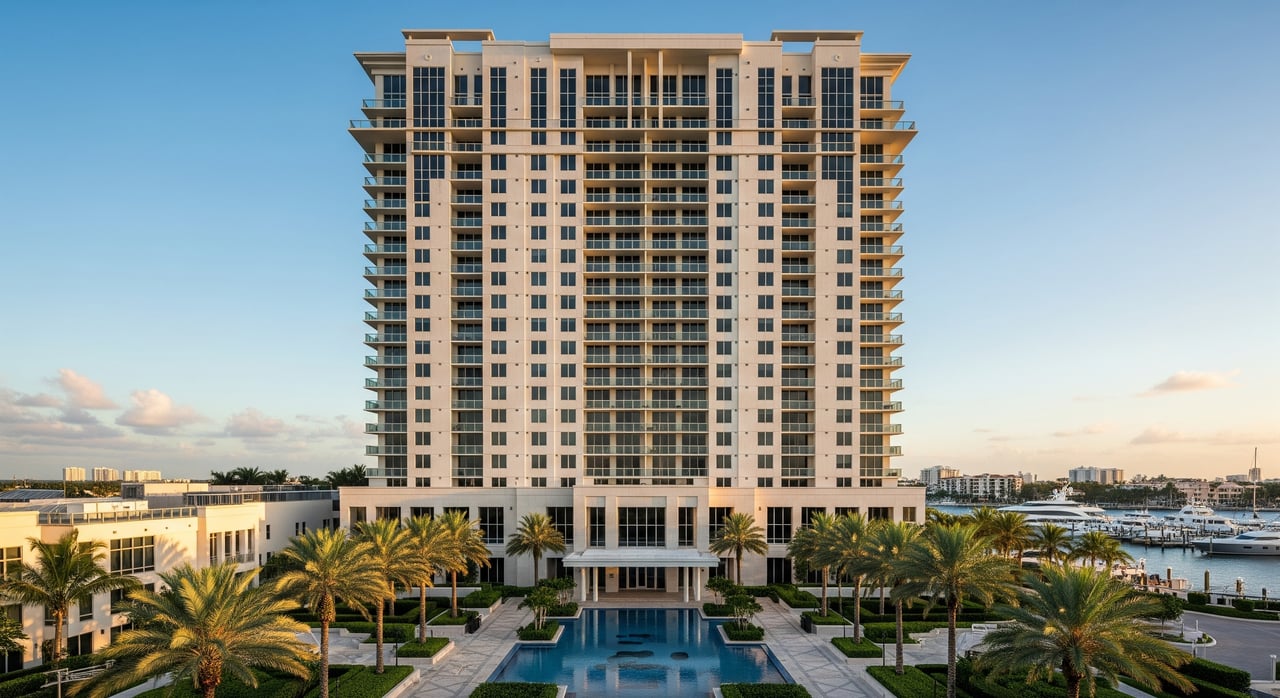
Aventura has a mix of luxury high‑rises and mid‑rise communities, many along the Intracoastal and near saltwater. Exposure to moisture and coastal conditions can increase costs for waterproofing, garage and deck repairs, façade maintenance, and balcony work.
- Luxury high‑rises. These buildings often carry higher per‑unit reserves but also face larger absolute operating costs. Multiple elevators, extensive amenities, curtain wall systems, and valet or spa operations add to budgets. Master insurance limits may be higher, and hurricane deductibles can also be sizable.
- Mid‑rises. Operating budgets are often smaller, but reserve cushions may be thinner. Roofs, balconies, and parking structures still require periodic capital work.
- Amenities. Pools, marinas, gyms, concierge services, and security add to annual expenses and future capital plans. Check the capital plan’s timelines and replacement costs.
Insurance is a major driver of expenses in Florida. Review premium trends in the budget notes and board minutes, and understand the master policy’s wind deductible. This can influence special assessments and your personal risk tolerance.
Financing and lender considerations
Lenders evaluate project health. Limited reserves, major litigation, or high investor ratios can make some loan programs unavailable or more expensive. If you need financing, ask your lender early about the building’s eligibility standards so you do not face last‑minute surprises.
International buyers should also plan for non‑resident financing requirements or higher cash down payments. The overall health of the association can influence lender appetite, so a strong document package is essential.
A simple due‑diligence workflow
Use this step‑by‑step flow to move from interest to offer with confidence:
- Gather the documents. Start with the current budget, recent financials, reserve study, bank statements, minutes, insurance declarations, and any engineering or recertification reports.
- Compare year over year. Track operating variances, reserve funding progress, and any shift in insurance, utilities, or repairs.
- Run the key metrics. Calculate reserves per unit, months of cash, delinquency rate, and reserve funding ratio.
- Verify recertification status and permits. Check filings and open permits through the Miami‑Dade Building Department.
- Engage professionals. Have a Florida real‑estate attorney review association records and the estoppel. For older buildings or flagged engineering items, consult an independent structural engineer.
- Align with your lender. Confirm the project meets your loan program standards and ask about any documentation the lender needs.
- Plan contingencies. Negotiate contract contingencies tied to document review, estoppel receipt, and engineering review if needed.
How to negotiate if issues surface
If documents reveal near‑term capital work, tight liquidity, or pending assessments, you can adjust your terms:
- Request a seller credit or price reduction to offset projected costs
- Require the seller to pay any existing special assessments in full before closing
- Ask for written board confirmation that no additional assessments have been approved but not yet billed
- Tie your deposits and timelines to satisfactory document and engineering review
Key takeaways for Aventura buyers
- Do not rely on the listing brochure. Read the budget, minutes, reserve study, and insurance declarations.
- Focus on trends and ratios, not single numbers. Compare reserve funding against the study and watch cash liquidity and delinquencies.
- Verify building recertification status and any required structural work.
- Expect insurance to be a major cost driver and review deductibles closely.
- Engage the right professionals early so you protect your leverage and timelines.
Ready to evaluate a specific Aventura tower or mid‑rise? Request a Private Consultation with Rajkumar Ramkerath to review building financials and create a smart offer strategy.
FAQs
What are condo reserves in Florida and why do they matter in Aventura?
- Reserves are association savings for future capital expenses and deferred maintenance; in coastal Aventura, they help fund work like waterproofing, façade repairs, and elevators without sudden special assessments.
How can I check an Aventura building’s recertification status?
Who approves special assessments in Florida condos?
- Boards can levy assessments, but whether owner approval is required depends on Chapter 718 and the condo’s governing documents; review minutes and bylaws and see Florida Statutes Chapter 718.
What reserve amount is considered healthy for an Aventura condo building?
- There is no single number; compare actual reserves to the reserve study’s recommendations and calculate metrics like reserves per unit, months of cash, and the reserve funding ratio.
What should international buyers watch for in Aventura condo financials?
- Confirm the building qualifies for your financing, review reserves and insurance deductibles, and have an attorney and tax advisor review documents and cross‑border implications before finalizing terms.