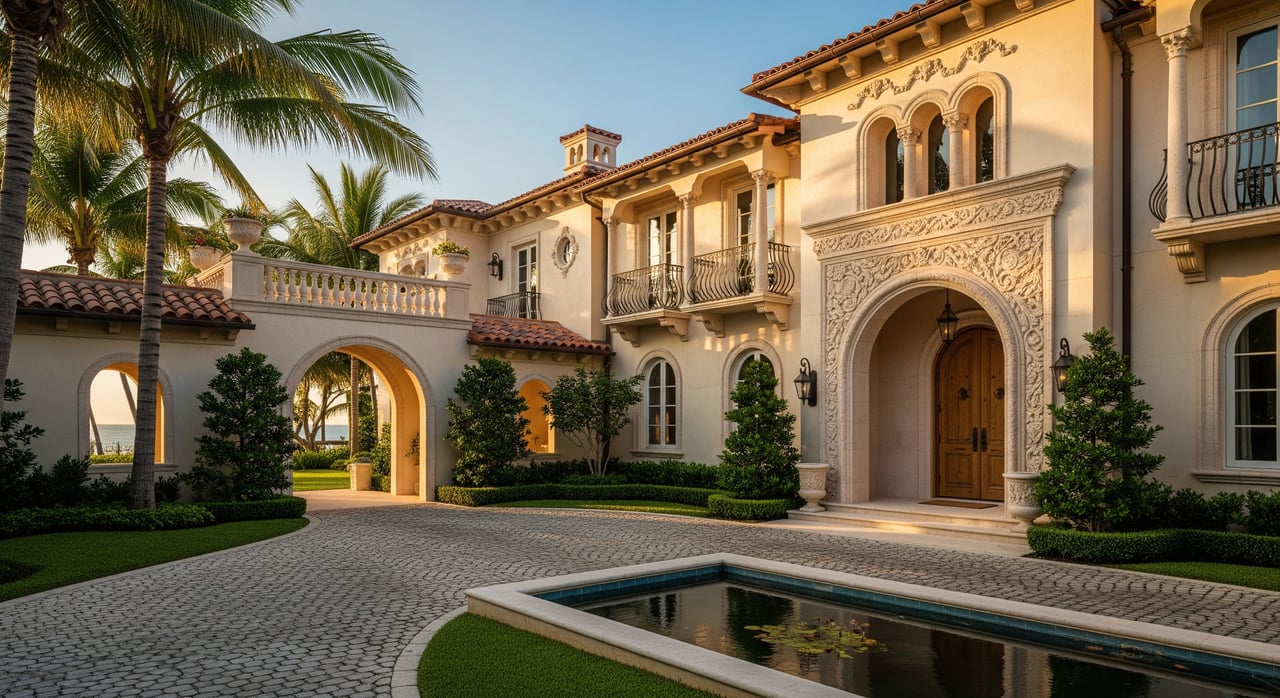
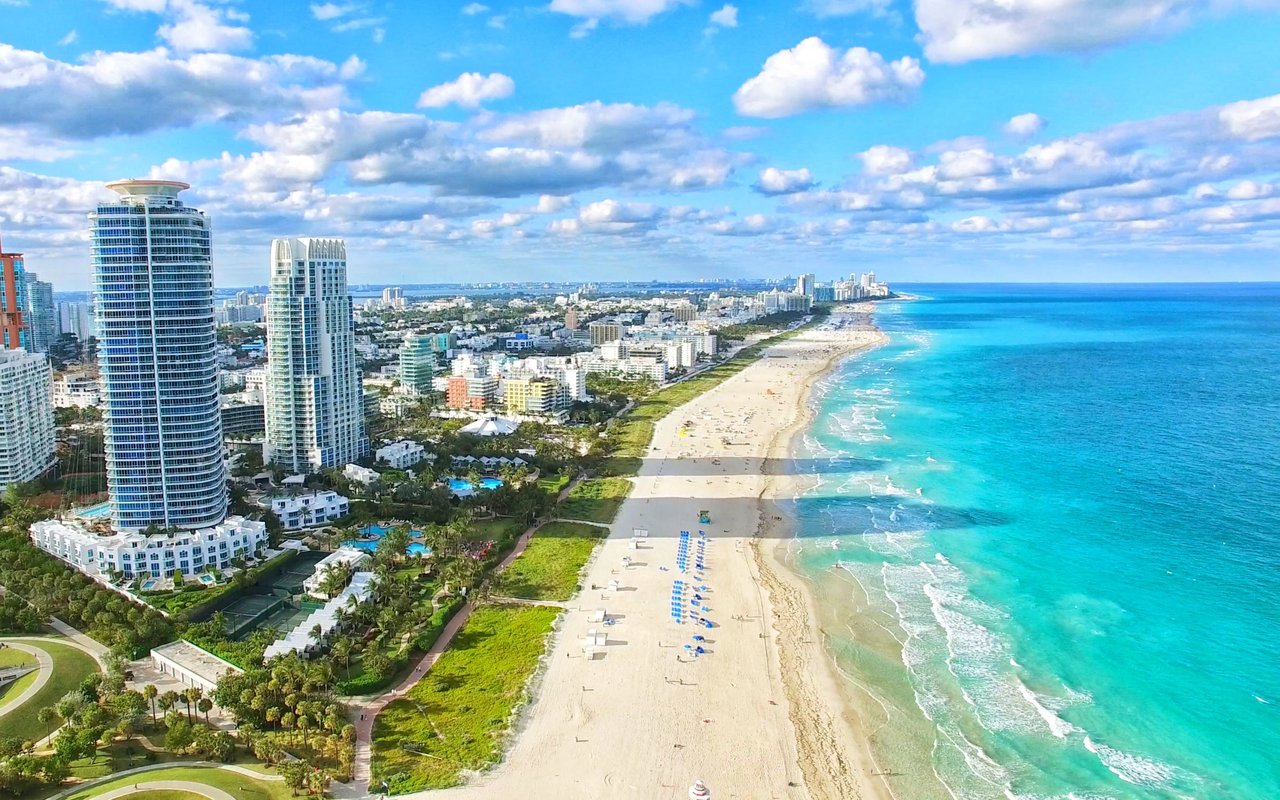
Love the idea of waking to an Atlantic sunrise or docking your boat steps from your living room? In Fort Lauderdale, your dream home often comes down to three choices: oceanfront, Intracoastal, or canal. Each offers a distinct lifestyle, boating access, and ownership considerations that affect value and peace of mind. In this guide, you’ll compare the essentials, learn what to verify before you buy, and see which option fits your goals and vessel. Let’s dive in.
Fort Lauderdale waterfront options at a glance
Oceanfront
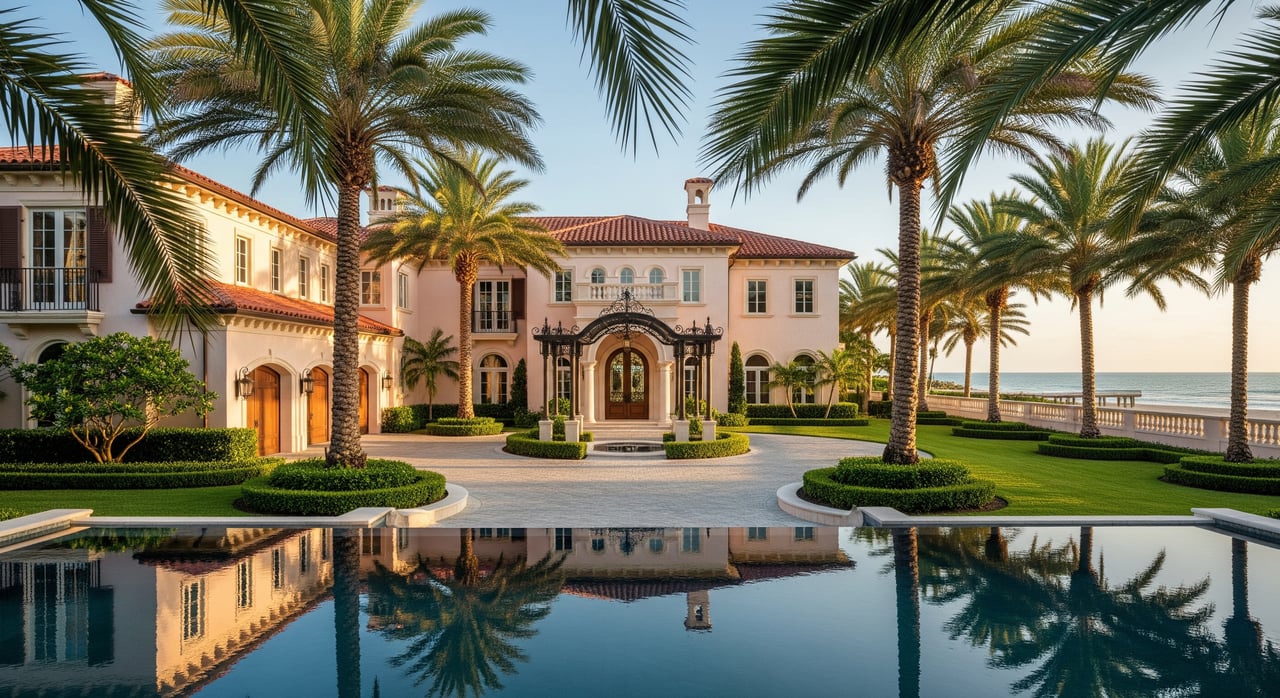
- Best for: beach-first living, panoramic views, prestige.
- Highlights: direct beach access and unobstructed ocean views.
- Tradeoffs: higher exposure to storm surge, stricter coastal permitting, and higher insurance and maintenance. Not every lot supports a large private dock.
Intracoastal (ICW)
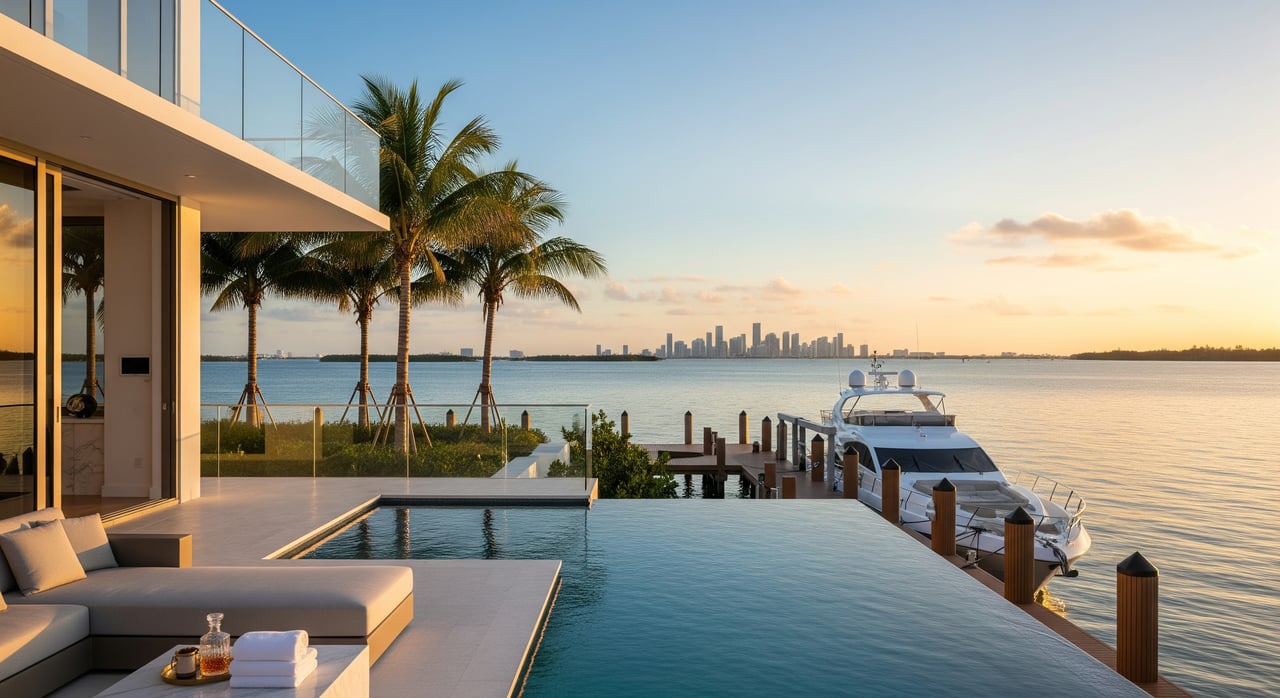
- Best for: active boaters and yacht owners who want predictable, deeper water and marina access.
- Highlights: federally maintained channel, larger docks, nearby services, broad turning basins.
- Tradeoffs: more boat traffic and wake, and you may encounter bridge openings depending on your route and vessel height.
Canal-front
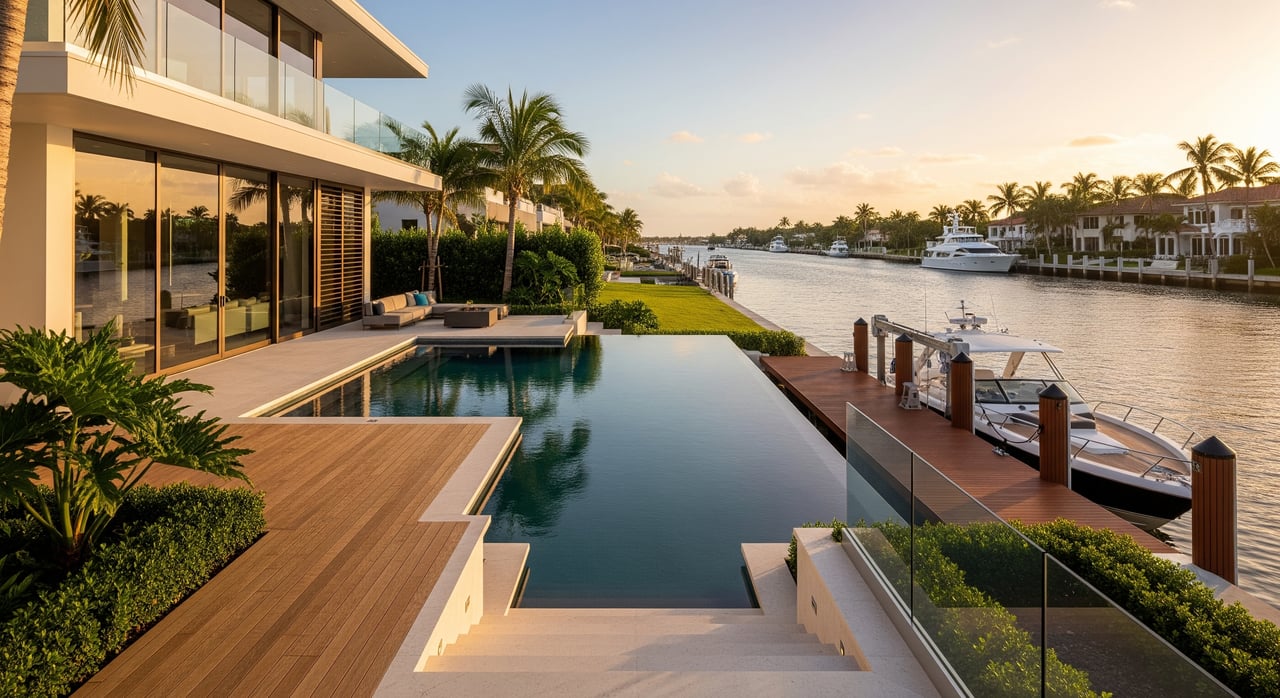
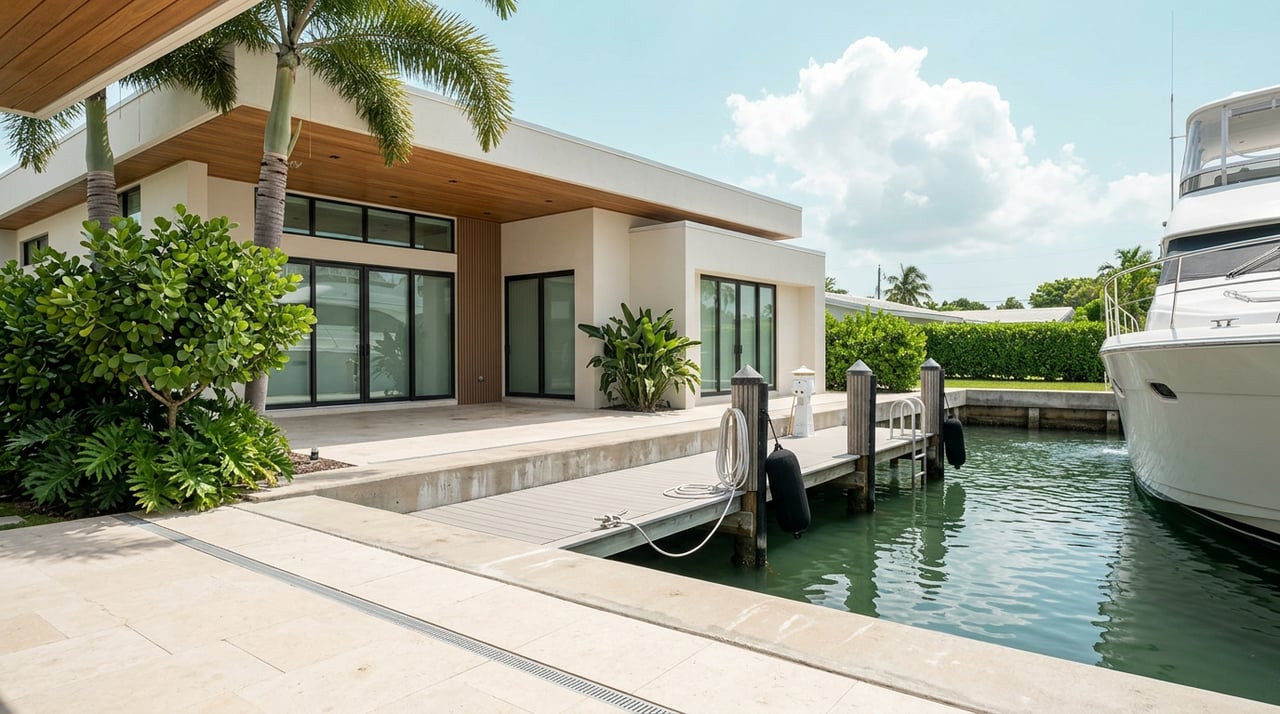
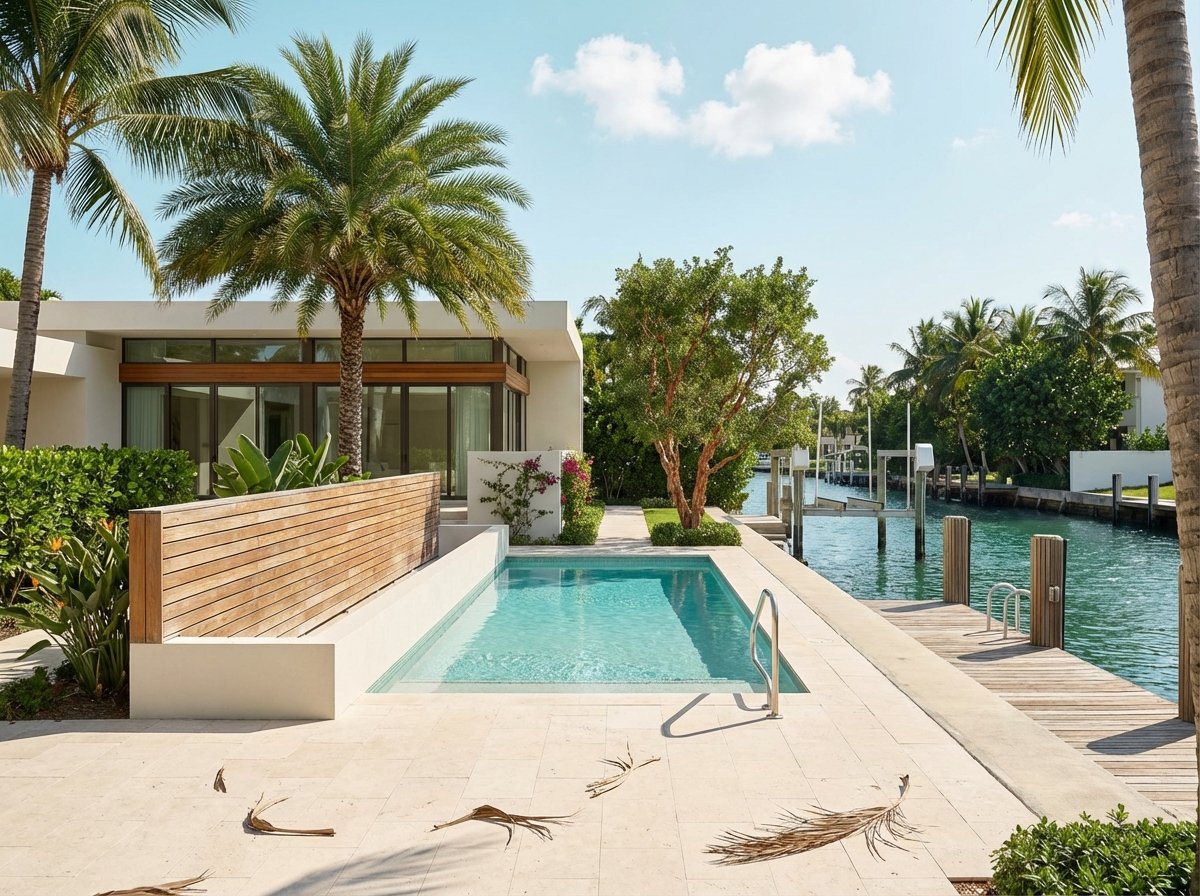
- Best for: private dock lifestyle at a wider range of price points, quieter water.
- Highlights: privacy and variety of lot sizes in classic canal neighborhoods.
- Tradeoffs: depth and access vary widely. Fixed bridges or shallow canals can limit boat size and navigation to the ocean.
Boating and dockage realities
Depth and draft
The Intracoastal Waterway is a maintained federal channel with known navigation depths, while canal depths vary by street and can change with siltation. For an accurate picture of your berth and route, check mean low water and controlling depth with a licensed marine surveyor and consult official sources. You can review tide data through NOAA Tides & Currents and channel surveys or maintenance plans through the U.S. Army Corps of Engineers Jacksonville District.
Bridges and schedules
The area mixes fixed and movable bridges. Tall masts and flybridges must clear fixed spans at mean high water or time openings for movable bridges. Operating procedures are governed by federal rules. Review drawbridge operations and schedules in the U.S. Coast Guard regulations, 33 CFR Part 117.
Dock permits and seawalls
Docks, seawalls, pilings, and any dredging typically require permits. Jurisdictions may include the City of Fort Lauderdale, Broward County, the Florida Department of Environmental Protection, and sometimes the U.S. Army Corps of Engineers. Before you commit, ask for copies of permits and approvals. Start with the city’s Building and Permitting resources and review environmental requirements through the Florida Department of Environmental Protection.
Seawall condition and maintenance
Seawalls affect usability, safety, and insurance. Look for signs of settlement or scouring, and get an inspection by a marine contractor or coastal engineer. Owners are commonly responsible for repairs and maintenance, and costs can be significant over time.
Access time and marina support
Many luxury buyers combine private dockage with full-service marinas for fuel, pump-out, haul-out, and larger repairs. Fort Lauderdale’s marine network, including shipyards and Port Everglades services, makes the area practical for larger vessels. If you own a very large yacht, proximity to full-service facilities should be part of your search criteria.
Neighborhood snapshots
Oceanfront: Beach corridor and Harbor Beach
- Fort Lauderdale Beach and nearby North/South Beach corridors feature mostly oceanfront condos and select boutique estates on the barrier island. Expect walkability, resort amenities nearby, and iconic views.
- Harbor Beach and similar enclaves offer privacy and large lots close to the ocean. Coastal permitting, elevated building standards, and premium insurance are part of ownership planning.
Intracoastal hotspots: Las Olas Isles, Coral Ridge, Sunrise/Harbordale
- Las Olas Isles blends central location with canal offshoots and private docks that connect quickly to the ICW. It is popular with boat owners who want access and proximity to dining and shops.
- Coral Ridge and Coral Ridge Isles are known for deep-water canal lots and larger docks, often with convenient access to marinas and services.
- Sunrise, Harbordale, and the beach corridor along the ICW offer a mix of single-family and condo communities, many with marina support close by.
Canal gems: Rio Vista and Victoria Park areas
- Rio Vista, Victoria Park-adjacent areas, and smaller canal subdivisions offer quieter water and varied lot sizes. Many buyers find strong value here, but due diligence on depth and any fixed bridges is essential.
Risk, insurance, and resale drivers
Pricing and buyer demand
- Oceanfront often achieves the highest price per square foot thanks to direct beach access and exclusivity.
- ICW homes draw boaters who value deeper, predictable water and larger docks, which supports strong demand.
- Canal properties span a wide range. Deep, well-connected canals can approach ICW pricing. Shallow or restricted canals trade at lower price points.
Key value drivers include dock size and legality, bridge restrictions, seawall condition, lot orientation, and proximity to marina services. For broader market context and trends, you can review statewide data from Florida Realtors.
Flood zones and storm exposure
Verify the property’s FEMA flood zone, especially if it is in a coastal high-velocity V zone or AE zone, since those influence building standards, insurance, and lending. Use the FEMA Flood Map Service Center to view the Flood Insurance Rate Map for a specific address.
Sea level rise and chronic flooding
Broward County and the City of Fort Lauderdale continue to plan for sea level rise and resilience improvements. Review county resources and studies at the Broward County official site to understand long-term risk and local initiatives.
Insurance and financing
Expect flood and windstorm insurance requirements to vary by zone and building features. Mitigation steps like elevated construction, updated roof systems, and compliant openings may help with underwriting. Align your insurance plan early with a broker who understands Florida coastal policies.
Maintenance and capital plans
Modern seawalls, dock rehabilitation, and occasional dredging are part of the lifecycle for waterfront assets. Plan for inspections and reserve capital, since these projects can be costly and multi-year.
Decision guide: which fits your goals
- Choose oceanfront if you want direct beach access, sweeping views, and a trophy setting. Confirm the feasibility of any desired dock and factor in higher maintenance and insurance.
- Choose ICW if you are a regular or large-vessel boater who prioritizes depth, access, and nearby marina services. Expect more boat traffic, and plan around bridge schedules where relevant.
- Choose canal-front if you want a private dock and a quieter setting at a broader range of price points. Verify depth at mean low water and any fixed-bridge limits that could restrict your boat.
A quick litmus test:
- Your boat’s draft and air draft must match the route’s depth and bridge clearance.
- Your lifestyle must match the setting. Beach-first and walkable tourism zones feel different than quiet canal streets.
- Your long-term costs should reflect flood zone, seawall condition, and maintenance.
Due diligence checklist and your team
Pre-offer checks:
- Verify waterfront category and boundaries via survey or recorded plat. For lot specifics, use Broward County property records.
- Dock and seawall
- Request permits and documentation for the existing seawall and dock.
- Get a structural inspection by a marine contractor or coastal engineer.
- Confirm who pays for maintenance or dredging along your frontage.
- Navigation and berthing
- Flood and insurance
- Permitting and legal
- Environmental and future risk
- Operations and lifestyle
- Confirm proximity to marinas that match your vessel’s needs. Verify HOA policies on boat lengths, docks, and any rental rules.
Specialists to engage early:
- Experienced Fort Lauderdale waterfront real estate agent.
- Licensed marine surveyor.
- Coastal engineer or seawall contractor.
- Yacht broker for large-vessel berthing checks.
- Maritime attorney for complex riparian or permitting issues.
- Insurance broker familiar with Florida coastal policies.
Next steps
Choosing between oceanfront, Intracoastal, and canal homes comes down to matching your lifestyle with the right water access and ownership profile. A focused plan, the right specialists, and local market insight will help you capture the best value.
If you want a tailored short list and a due diligence plan aligned to your vessel and goals, connect with Rajkumar Ramkerath. Request a Private Consultation and get a concierge, data-backed approach to acquiring your Fort Lauderdale waterfront home.
FAQs
Which Fort Lauderdale waterfront offers the fastest ocean access?
- Oceanfront is immediate, ICW homes typically have a short run to an inlet, and canals vary based on connectivity and bridges.
Can I berth a large yacht at a canal house?
- Only if depth and fixed-bridge clearances allow it and local permits or HOA rules support the dock size.
Are oceanfront homes more expensive to insure?
- Often yes due to wind and wave exposure and V zone designations, but rates depend on flood zone, mitigation features, and insurer.
How do I check bridge rules and opening times?
Who pays for canal dredging by my dock?
- It is typically the adjacent property owner, though some neighborhoods share costs or coordinate through associations, subject to permits.