Waterfront Living In Miami Beach Luxury Homes
February 19, 2026
February 19, 2026
You come to Miami Beach for the water. The question is which waterfront lifestyle fits you best. Do you want the beach as your backyard, or a private dock for sunset cruises and weekend runs to the Keys? If you are weighing oceanfront towers, bayfront estates, canal homes or marina-adjacent condos, you are in the right place. In this guide, you will see how each setting shapes your daily life, what costs and risks to consider, and the smart checks to run before you buy. Let’s dive in.
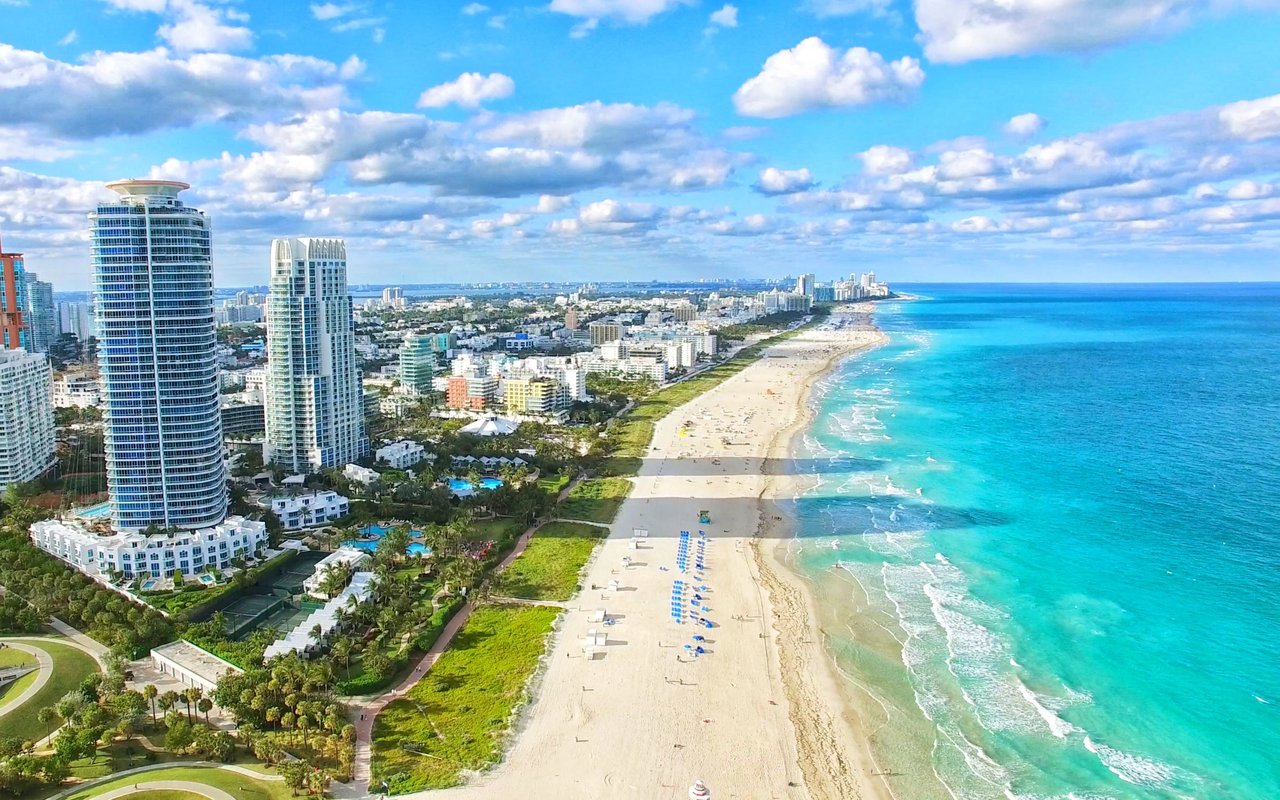
If you want the classic sand-and-sunrise rhythm, oceanfront is your lane. You step onto miles of public beach, follow the Beachwalk for a morning run, and watch the Atlantic change color by the hour. Many towers pair resort-style amenities with quick access to dining and culture in South Beach and Mid-Beach.
What to weigh: oceanfront brings a lively public backdrop, seasonal events, and more exposure to king tides. For a sense of the Beachwalk, beaches and parks, see the city’s overview of Miami Beach’s visitor and neighborhood experience.
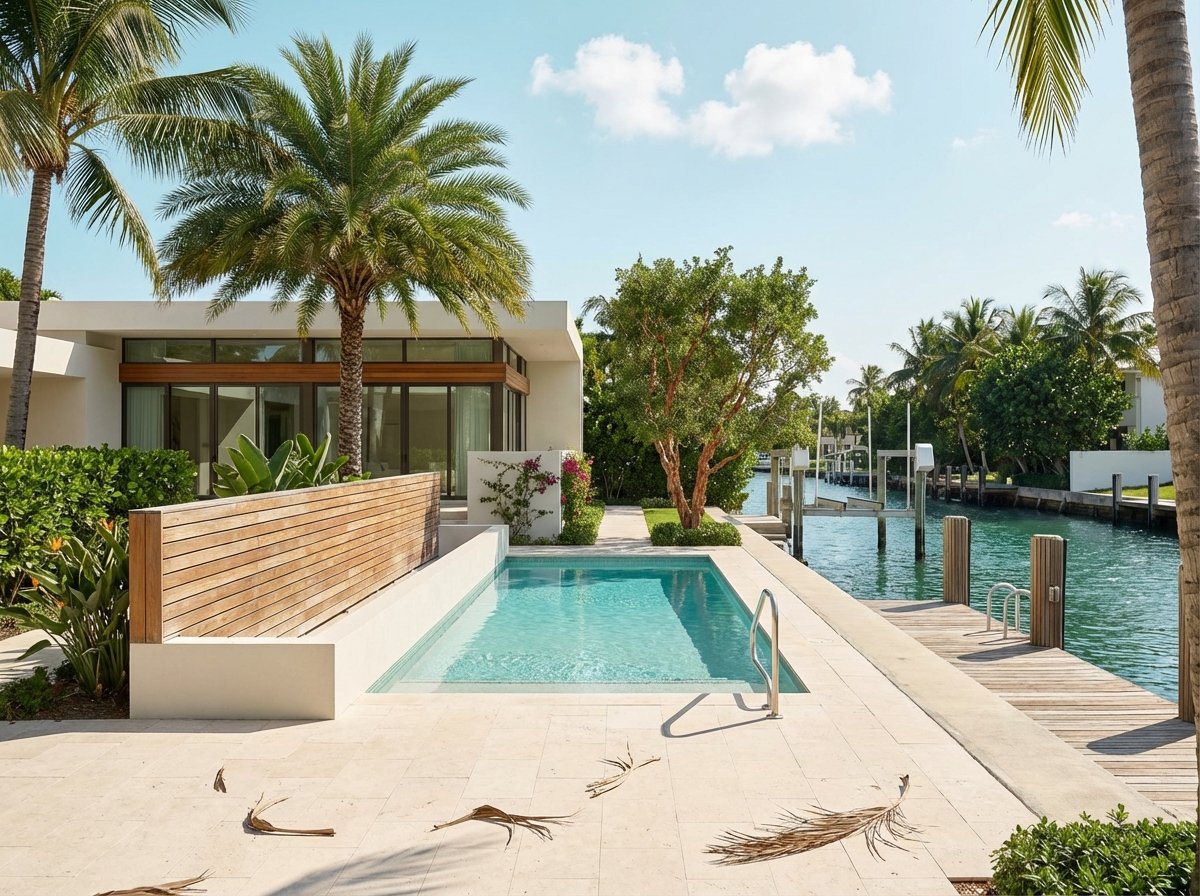
Bayfront living centers on privacy, sunset views and boating. Gated islands and wide-bay addresses offer private docks, big-water sightlines toward the downtown skyline, and quick causeway access to the mainland. You trade the open energy of the beachfront for a quieter, estate-scale setting.
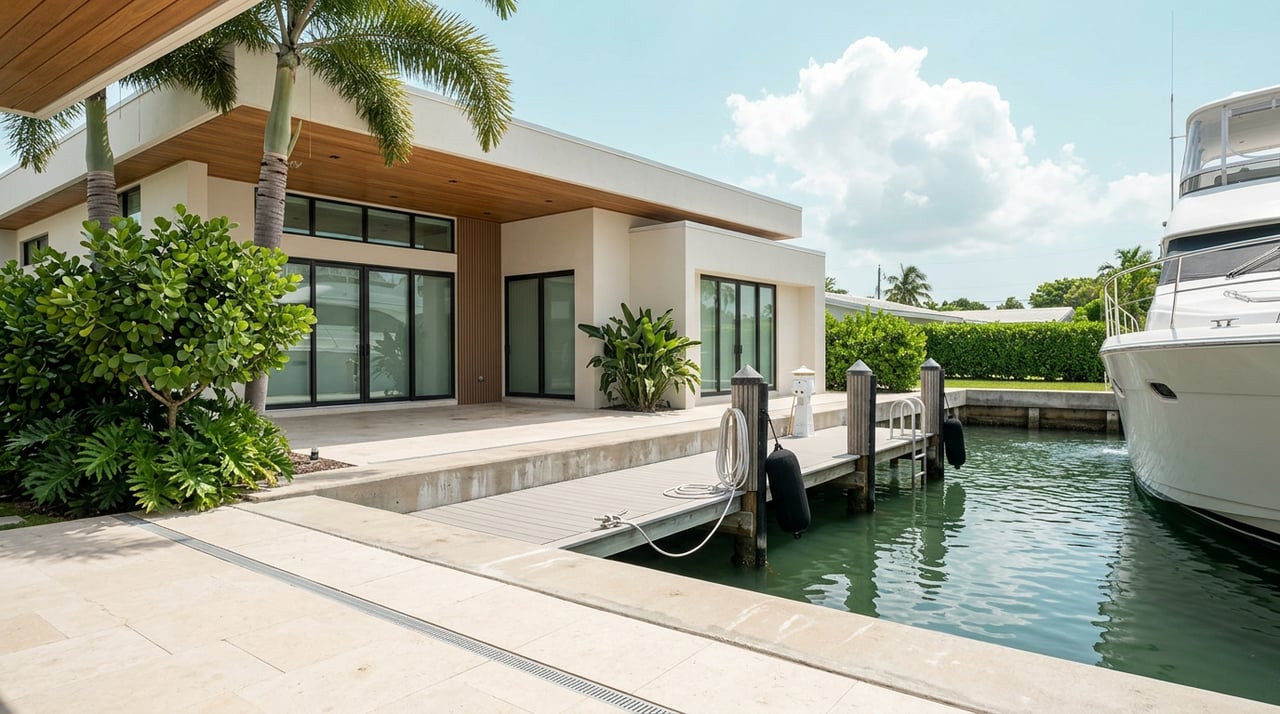
What to weigh: dock specifics matter. Confirm length, water depth at low tide, seawall age, and whether you have no fixed bridges to the ocean. Deep-water, no-bridge routes are premium for larger yachts.
Canal homes and low-rise condos often sit in calmer, residential pockets with a slower pace. You may keep a smaller powerboat at your dock, paddleboard in the calm waters, and enjoy a local feel that is close to the beach.
What to weigh: bridge clearances and channel depth can limit mast height or draft. Ask about tidal currents, maintenance of the canal edge, and any local boat traffic patterns.
If you want walkable boat life without managing a private dock, look to neighborhoods beside active marinas. Near South of Fifth, the Miami Beach Marina offers deep-water access to the Atlantic through Government Cut, fuel, provisioning, power, and slips for large yachts. Living nearby turns sunset charters, dockside dining, and weekend runs to the Bahamas into an easy routine.
What to weigh: transient versus annual slip availability, in-slip power, and any liveaboard or HOA rules. Marina services are a convenience, while private docks give door-to-boat immediacy.
The island’s daily rhythm is built around outdoor time. The city maintains miles of beaches, the continuous Beachwalk, and waterfront parks such as South Pointe, which is popular for sunrise coffee, family strolls and ship-watching. Explore the city’s beaches, Beachwalk and parks to picture your routine.
Dining and culture are never far. You are minutes from landmark experiences like Joe’s Stone Crab in South Beach. Art Basel and Miami Art Week bring galleries and collectors each December, and institutions like The Bass and New World Center keep the calendar full year-round. In Mid-Beach, resort and branded residences layer in hotel-grade amenities that appeal to second-home buyers seeking turnkey living.
Use this quick framework when you review any listing or tour a property.
Luxury waterfront living brings elevated services and maintenance. Condo associations often fund 24 hour security, beach service, concierge teams, pool decks and fitness or spa facilities. Ask for a breakdown of fees, reserves and any scheduled capital projects.
For single‑family waterfront, plan for seawall inspections, dock upkeep, lift servicing and landscape care. If you expect to keep a larger vessel, include power upgrades, fendering, and periodic piling or cap work in your budget. For all property types, request homeowner, wind and flood insurance quotes early, and review the city’s flood insurance guidance and NFIP program notes.
Property taxes in Miami‑Dade County depend on assessed value, millage and exemptions. Primary residents may benefit from Homestead and Save Our Homes rules, while second homes do not. For a high‑level orientation, start with this Miami property tax overview and confirm specifics with the County Property Appraiser.
Florida strengthened building oversight after Surfside. If you are considering a condo, confirm the building’s milestone structural inspection status and whether any special assessments are planned. This guide to Florida condo inspections and recertification explains the process and why it affects financing and resale.
Miami‑Dade is within the High‑Velocity Hurricane Zone under the Florida Building Code. Impact-rated windows, doors and roofing must meet HVHZ testing and carry Miami‑Dade approvals. If you plan to renovate or build, review the HVHZ test protocols and code guidance and price products accordingly.
Climate planning is part of smart ownership on a low‑lying barrier island. Miami Beach invests in pumps, elevated roads and private adaptation grants, and many owners combine site improvements with insurance strategies. For a clear view, use NOAA’s Sea Level Rise Viewer to explore address-level scenarios and discuss elevation, drainage and resiliency upgrades with your team.
Recent research also highlights ground movement as a monitoring factor for select high-rises. A peer‑reviewed InSAR study documented centimeters of vertical displacement at sites along Miami’s barrier islands from 2016 to 2023. If you are targeting a specific tower, request engineering reports and foundation histories as part of your diligence.
Miami Beach remains a global draw for luxury buyers. Regional reporting shows strong activity in the upper tier, with cash and trophy sales shaping the top end of the market. For a current pulse on sales and price trends, review the latest MIAMI REALTORS market update, then tailor your plan to the micro-market you want.
Instead of chasing one headline price per square foot, define your lifestyle first, then let data guide your shortlist. Compare recent trades by water type and orientation, building age and inspection status, amenities and HOA health, and dock or marina access. In a tight, high-value segment, well-prepared offers and clean terms win.
If you plan to rent when you are away, check both city rules and building policies. Miami Beach allows short-term rentals only in specific zoning districts and requires a Certificate of Use and documentation. Many condo associations are stricter than city code. Start with the city’s short‑term rental requirements and review your association’s governing documents before you buy.
Waterfront living in Miami Beach is about fit. When you match the right shoreline to the way you live, the details fall into place. If you want a discreet, data-forward search that blends lifestyle, safety and investment discipline, let’s talk.
Request a Private Consultation with Rajkumar Ramkerath to explore oceanfront towers, bayfront estates or marina-adjacent options that align with your goals.
Stay up to date on the latest real estate trends.

We pride ourselves in providing personalized solutions that bring our clients closer to their dream properties and enhance their long-term wealth. Contact us today to discuss all your real estate needs!
RAJKUMAR RAMKERATH
2000 NW 150TH AVE PEMBROKE PINES FL 33028