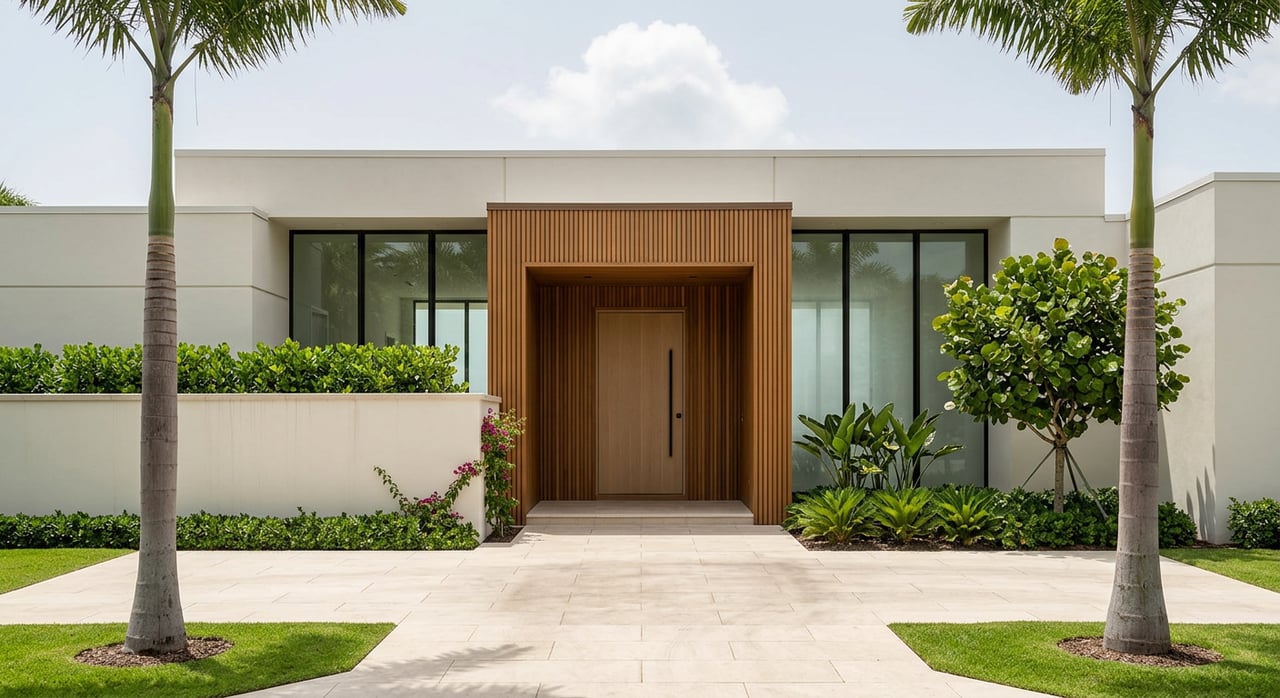
Exploring the Key Biscayne Luxury Lifestyle
March 5, 2026
March 5, 2026
What draws people to a small island five miles off Miami’s shoreline? For many, it is the ease of walking to the beach, the calm of tree‑lined streets, and weekends shaped by tennis matches and boat days. If you are exploring a move or a second home, you likely want the full picture, not just the postcard views. In this guide, you will see what daily life looks like on Key Biscayne, what it costs, and how to plan your search with confidence. Let’s dive in.
Key Biscayne is an incorporated village in Miami‑Dade County connected to the mainland by the Rickenbacker Causeway. The island covers about 1.25 square miles and reads as a compact residential community with resort‑style amenities. You are near Miami, but the causeway creates a clear sense of arrival and separation from city bustle. For a quick overview, see the Village of Key Biscayne site and the area’s background on Wikipedia.
By the numbers, roughly 14,800 residents lived here at the 2020 Census, with recent estimates near 15,100. Median household income is about $181,505, and the median value of owner‑occupied homes is about $1,575,300, underscoring a high‑cost, high‑amenity market. You can review these figures on U.S. Census QuickFacts.
The island’s two signature parks frame daily life. To the north, Crandon Park is a Miami‑Dade County park with a long, protected beach, visitor and nature centers, a public golf course, and tennis facilities. It is a go‑to for morning walks, family beach days, and active recreation. Learn about hours, amenities, and entrance fees on the Crandon Beach page.
At the southern tip, Bill Baggs Cape Florida State Park offers a more secluded beach feel, biking and walking trails, and the historic Cape Florida Lighthouse. It is popular for sunrise runs and quieter afternoons. Check current hours, capacity rules, and lighthouse information on the state park’s official page.
Both parks can limit access at peak times and have entrance fees, so plan ahead for weekends and holidays.
Boating is part of the rhythm here. Residents launch from Crandon Marina on the north side, and many spend afternoons at nearby sandbars or fishing along Biscayne Bay. Inside Bill Baggs, No Name Harbor allows day use and overnight anchoring under posted rules and fees. If you plan to visit by boat, review current boater guidance for No Name Harbor on Waterway Guide. The island also has a private yacht club with member slips and youth sailing programs, reflecting the strong boating culture.
Active life is the norm. Crandon Park’s public golf course and tennis center anchor the island’s sports culture. You will also see cyclists using the causeway bike lanes early in the morning and families gathering for youth sports and outdoor fitness. Details for facilities and park programs are listed on the Crandon Beach page.
Key Biscayne has a small, practical shopping core along Crandon Boulevard for daily needs. It includes grocery options, pharmacies, cafes, and service businesses. For example, Winn‑Dixie serves as a full grocery on the island; see the store’s listing on Chamber of Commerce. For special‑occasion dining, residents often name Rusty Pelican on the Rickenbacker Causeway for waterfront views. For broader retail or specialty services, a short drive into Miami or Coral Gables expands your list quickly.
Public school options are a key part of family life. The Key Biscayne K‑8 Center serves island families, and there are nearby magnet options for high school, including MAST Academy on Virginia Key. The village operates a community center and provides local police and fire rescue. You can explore programs and resident services through the Village of Key Biscayne.
All references to schools are informational; check official district and school sites for current enrollment policies and programs.
The Rickenbacker Causeway is the single road in and out, which adds to the island feel but shapes commute planning. Travel time to Brickell or Downtown Miami depends on traffic and can vary widely. The causeway uses electronic tolling with resident and commuter plan options for frequent users. Review current rates and plans on the county’s Rickenbacker Causeway toll and resident plans page.
Locally, many residents use cars, bicycles, and golf carts for short trips. The village publishes rules for carts, beach parking, and resident beach programs on its official site.
Housing on Key Biscayne is a mix of oceanfront and bay‑view condominiums, mid‑rise buildings, low‑rise garden apartments, and inland single‑family homes. Because the island is small and zoning is stable, new construction is limited, which keeps supply tight and prices high.
A recent market snapshot showed a median sale price near 1.3 million dollars and longer days on market year over year. Treat this as a point‑in‑time reading and check current data before you make an offer. The Census reports a median owner‑occupied home value around 1.575 million dollars, signaling a high‑cost, amenity‑rich market for primary and second homes. You can verify the home value figure on Census QuickFacts.
When you evaluate specific buildings or streets, compare HOA or condo fees, reserve funding, special assessments, rental policies, and pet rules alongside price and view. These details vary widely by building and can change the total cost of ownership.
In addition to purchase price, plan for recurring costs: Miami‑Dade property taxes, village assessments where applicable, and association fees for condominiums and some single‑family communities. Insurance is a major line item. The island’s low elevation, around 3 feet above sea level, and coastal exposure make flood and wind coverage central to budgeting. You can read background on the island’s geography on Wikipedia.
Both the county and the village maintain active flood preparedness and sea‑level‑rise programs that guide infrastructure and permitting. For a sense of county‑level planning, review Miami‑Dade’s resilience and stormwater actions. For local readiness, start with the Village of Key Biscayne. If you are comparing two otherwise similar homes, differences in elevation, flood zone, and construction year can affect insurance quotes and long‑term resilience needs.
Parks and boating access also have fees and capacity rules. Check current policies for Crandon Park and Bill Baggs so your weekend plans go smoothly.
If you know Miami Beach, Key Biscayne will feel smaller, quieter, and more residential, with large parks instead of long commercial strips. Compared with Coconut Grove or Coral Gables, Key Biscayne trades shopping variety for immediate beach access and a compact, village environment with quick access to outdoor recreation. The Village site gives a good sense of the community’s programs and priorities.
Use this list to focus your search and avoid surprises:
Ready to compare buildings, streets, and views or to value a specific property? Request a Private Consultation with Rajkumar Ramkerath to align your search with your lifestyle and investment goals.
Stay up to date on the latest real estate trends.
We pride ourselves in providing personalized solutions that bring our clients closer to their dream properties and enhance their long-term wealth. Contact us today to discuss all your real estate needs!
RAJKUMAR RAMKERATH
2000 NW 150TH AVE PEMBROKE PINES FL 33028